Mounting Debt Risks Undermining Africa’s Infrastructure and Social Spending

By Rita Yuosembom
When African leaders gathered for the 39th Assembly of the African Union, the official agenda spoke of development, resilience and continental integration. But beneath the diplomatic choreography, a consensus had already begun to crystallise among economists, civil society actors and policy researchers: Africa’s debt crisis is no longer a fiscal statistic. It is a lived social reality shaping whether millions can drink clean water, access healthcare, or escape poverty.
That emerging view framed a policy briefing convened by the African Forum and Network on Debt and Development, AFRODAD where experts argued that debt, development and sovereignty are now inseparable questions for African states.
Debt as a Development Constraint

Dr. Theophilus Yungong, Interim Executive Director, AFRODAD
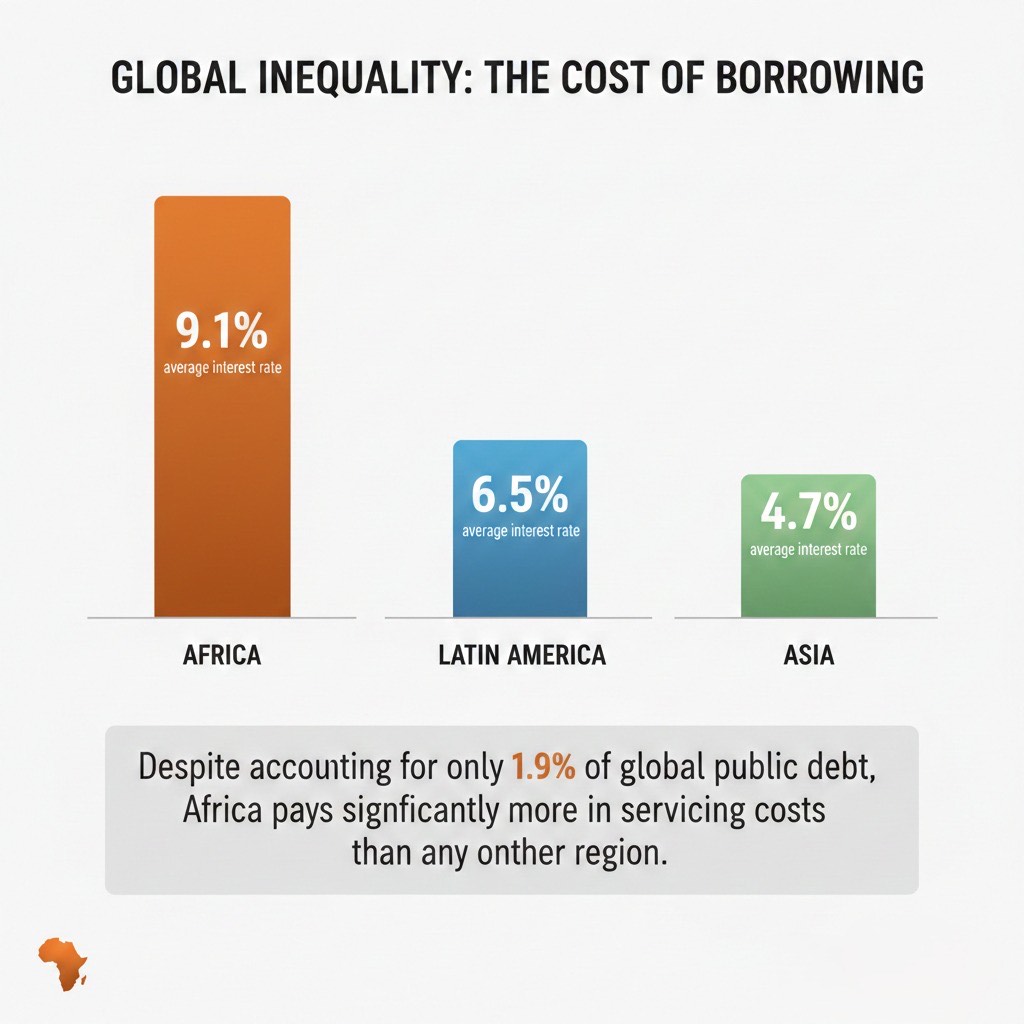
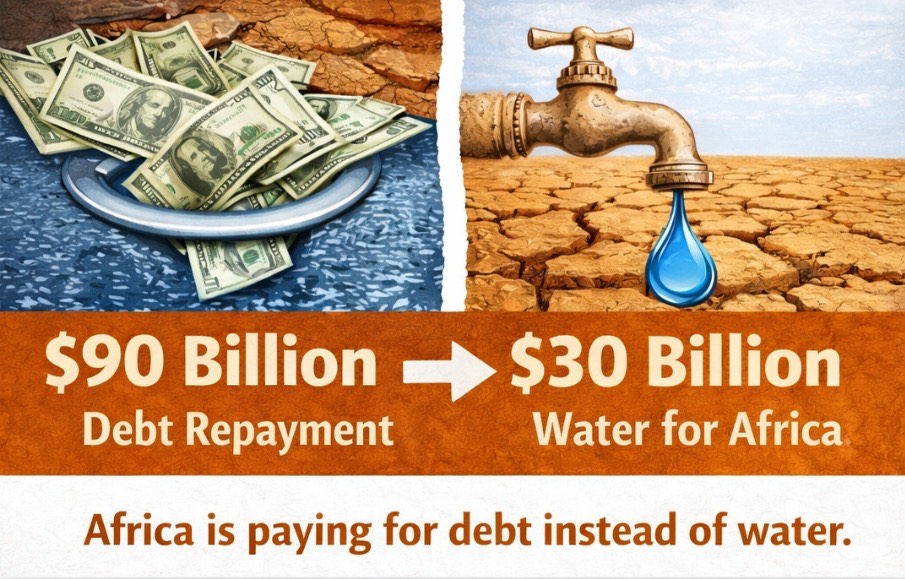
Dr. Theophilus Yungong, AFRODAD’s Interim Executive Director, framed the stakes bluntly. Africa’s public debt has surpassed $2.14 trillion, with about 22 countries already in debt distress. Servicing that debt is projected to cost $90 billion in 2026,a figure he says illustrates a deeper structural imbalance.
Debt repayment, he explained, is absorbing public resources that might otherwise fund water systems, schools, hospitals or climate-resilient infrastructure. In some countries, debt obligations have already exceeded combined spending on health and education.
The result is not simply tighter budgets. It is a policy hierarchy imposed by financial necessity: repayment first, development later.
A Civil Society Voice That Has Stayed the Course

Dr. Frank Adu, African Center for Economic Transformation
For more than two decades, AFRODAD has positioned itself as one of the continent’s most consistent civil-society advocates on debt justice, financial transparency and equitable development financing. Through policy research, government engagement and participation in global financial reform debates, the organisation has helped foreground African perspectives in spaces historically dominated by creditor nations and institutions. Analysts at the briefing noted that such sustained advocacy has played a quiet but consequential role in reframing debt not merely as a fiscal issue, but as a development and governance question that directly affects citizens’ daily lives across the continent.
Figures cited from the African Development Bank reinforce this dilemma. Africa needs between $130 billion and $170 billion annually for infrastructure, yet still faces a financing gap of up to $108 billion. This gap, analysts argue, is evidence of systemic constraints in the global financial system
Water Scarcity or Governance Failure?

Lavender Namdiero, African Futures Lab
For Lavender Namdiero of African Futures Lab, the conversation must move beyond macroeconomics. Africa’s water crisis, she argued, is frequently misdiagnosed as a problem of natural scarcity. In reality, it is often about political priorities and financial pressures.
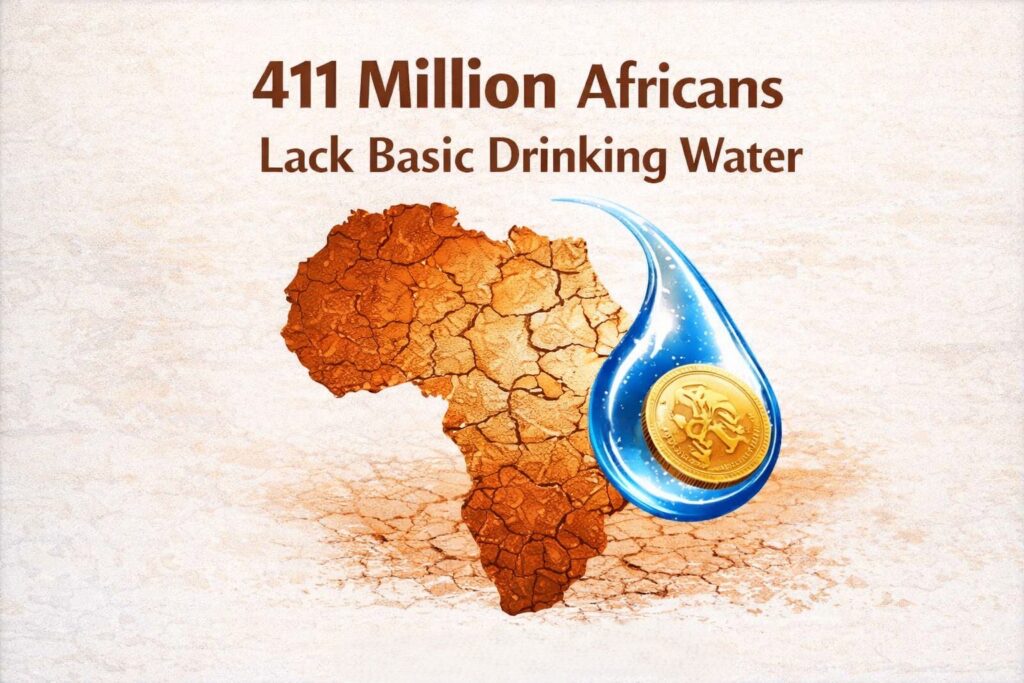
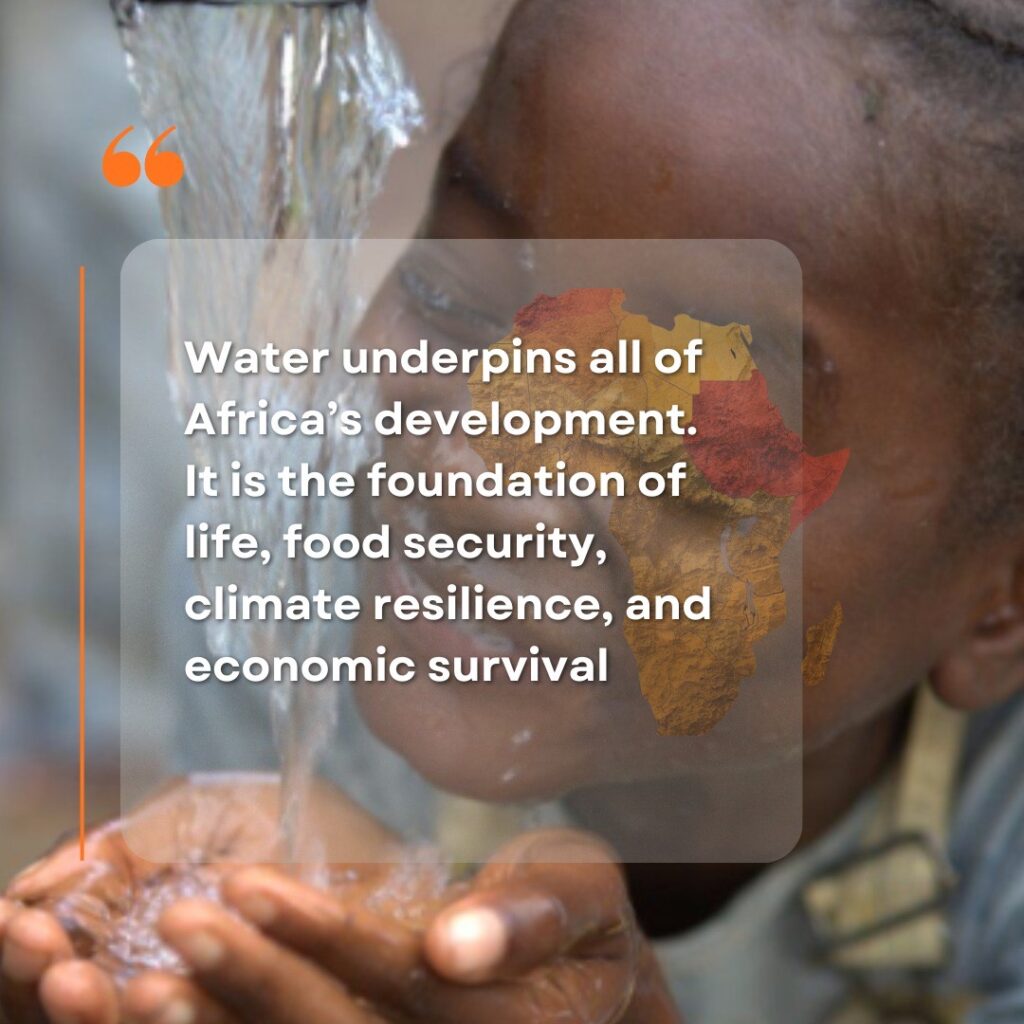
More than 418 million Africans lack access to clean drinking water, despite the continent’s central role in supplying global commodity chains. In highly indebted countries, governments may prioritise export-oriented projects that generate foreign exchange—mining, large-scale agriculture or energy ventures,because they help meet debt obligations. Yet these same projects can intensify water stress locally.
Namdiero described this dynamic as a structural contradiction: Africa is expected to power the global green transition while millions of its citizens still lack safe water.
Political Will as the Missing Ingredient
Yet even the most detailed policy solutions will remain theoretical without coordination among African governments themselves. Yungong stressed that fragmentation weakens negotiating power in global financial forums, while collective positions could shift the balance of influence.
Africa, he noted, possesses leverage: critical minerals essential to global industry, vast renewable-energy potential, and the world’s youngest population. But these advantages translate into influence only if states act together.
The AU gathering did not resolve the debt debate, but it sharpened its stakes. The question is no longer whether debt affects development. The question is whether African governments and global financial actors are prepared to redesign the rules that govern borrowing, repayment and investment.
The AFRODAD-hosted briefing, whose warnings echoed through summit-week discussions, left observers with a stark insight: Africa’s debt crisis is not an abstract macroeconomic concern. It is a structural force shaping who gets water, whose economies grow, and whose futures remain constrained.
Until that architecture shifts, analysts warn, development across much of the continent will continue to be negotiated not only in ministries and markets,but in the balance between creditors’ demands and citizens’ needs.