
Cameroon Plans 200 New Public Water Points to Ease Chronic Shortages
- Blog Health Uncategorized
admin
- 0
- 4 minutes read
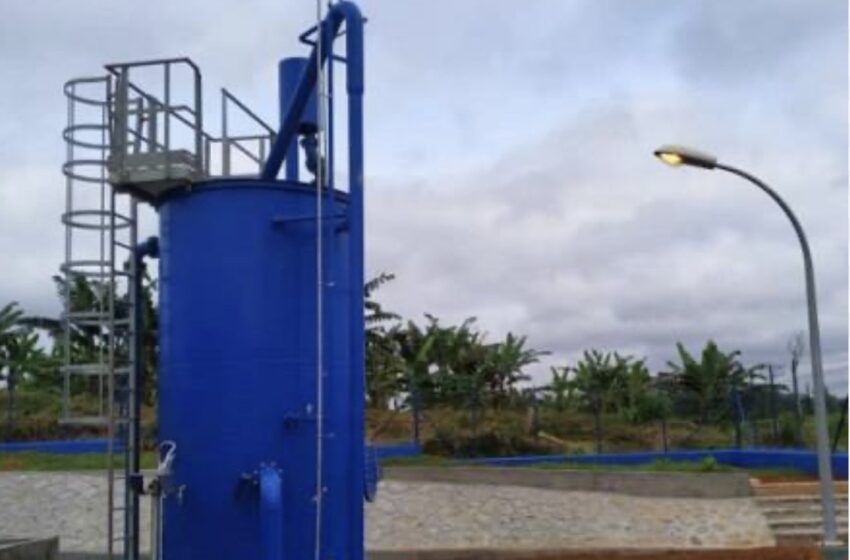
Bamenda City Council (via official social media platforms)
By Rita Yuosembom.
In many neighbourhoods across Cameroon, access to clean drinking water remains a daily struggle, forcing families to queue for hours or walk long distances in search of a basic necessity. Authorities now say relief could be in sight, as plans are announced for the construction of 200 new public standpipes across the country in 2026.
The project, scheduled for the first half of the year, follows earlier efforts to improve water access, including the installation of 76 public standpipes in Ngaoundéré in July 2023. That initiative brought potable water closer to thousands of residents and reduced pressure on overstretched water sources. Officials say the new phase represents a significant expansion of the programme, with a stronger focus on community management and local partnerships.
The move aligns with President Paul Biya’s December 31, 2025 Address to the Nation, in which he called for accelerated extension and rehabilitation of water supply networks to meet the growing needs of the population. Government sources describe the initiative as part of a broader response to rapid urban growth, climate pressure, and recurring water shortages affecting both cities and regional capitals.
Under the distribution plan, Cameroon’s two largest cities Yaoundé and Douala will each receive 50 public standpipes. The remaining 100 will be spread evenly across the country’s ten regions, from the Far North to the South West, ensuring that smaller towns and high-stress zones are not left out.
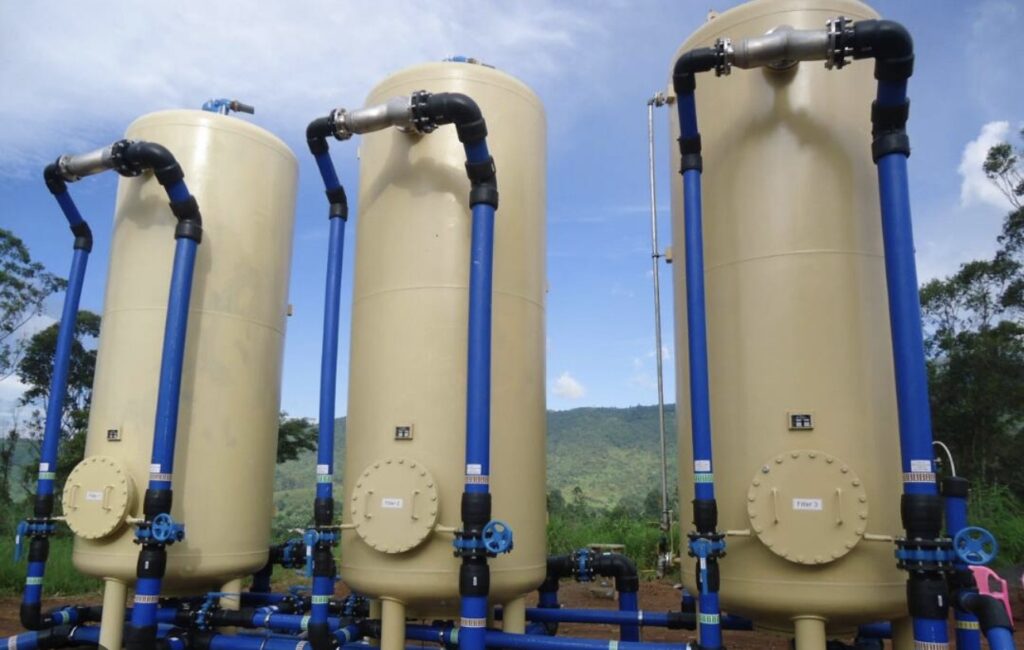
Beyond installing new water points, the first phase of the programme will also support the extension of existing water networks and the creation of new connections in urban and peri-urban areas. For many households, especially women and children who are often responsible for fetching water, the new standpipes are expected to reduce daily hardship and improve access to safe drinking water.
Authorities say the initial six-month phase will serve as a pilot. If successful, and depending on funding and needs expressed by local councils, the programme could be extended to cover more communities facing acute water scarcity.
As Cameroon continues to grapple with rising demand for water, officials see the project as a practical step toward addressing one of the country’s most pressing social challenges,turning access to safe drinking water from a daily struggle into a reliable public service.